Tensioners and idlers are critical components in mechanical systems, playing a key role in maintaining the performance and longevity of belt- and chain-driven equipment. By ensuring proper tension and alignment, these components help prevent slippage, reduce wear, and improve overall system efficiency. They are widely used across automotive engines, industrial machinery, and household appliances, where consistent and reliable power transmission is essential.
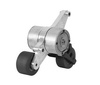
Belt tensioners are designed to maintain optimal belt tension, allowing smooth and efficient transfer of power between components. They are commonly available in two main configurations: automatic and manual. Automatic belt tensioners continuously self-adjust to compensate for belt stretch and wear over time, ensuring consistent tension without manual intervention. Manual tensioners, on the other hand, require periodic adjustment to set and maintain the correct tension level, making them suitable for applications where controlled setup is preferred.
Idlers are used to guide belts or chains and manage their path within a system. They support the belt or chain, help maintain alignment, and distribute loads evenly. Common idler types include flat idlers, round belt idlers, and V-idlers. Flat idlers provide support on flat belt surfaces, round idlers are designed for round belts, and V-idlers are used to redirect or guide V-belts around specific components or through constrained spaces. Proper idler selection ensures stable operation and minimizes vibration and uneven wear.
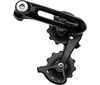
Chain tensioners perform a similar function in chain-driven systems by maintaining the correct chain tension during operation. They help ensure steady power transmission from the drive source to the driven components, reducing the risk of chain derailment, excessive noise, or premature failure. By minimizing wear on chains and sprockets, chain tensioners contribute to longer service life, reduced maintenance requirements, and lower overall operating costs.
BBMPS offers a comprehensive range of tensioners and idlers, including belt tensioners, chain tensioners, idler pulleys, tensioning rollers, and related components, all sourced from reputable manufacturers. With a focus on reliability, performance, and application-specific solutions, BBMPS supports your equipment with products designed to ensure efficient operation and long-term durability.